During menopause, many women experience sleep disturbances and difficulties falling or staying asleep. This can be attributed to several factors:
1. Hormonal changes: During menopause, there is a significant decline in the production of estrogen and progesterone, which can affect the regulation of sleep patterns. These hormonal fluctuations can lead to hot flashes, night sweats, and increased anxiety or mood swings, all of which can disrupt sleep. See article on how to boost progesterone through your diet.
2. Hot flashes and night sweats: Hot flashes are sudden feelings of intense warmth, often accompanied by sweating and flushing of the face and upper body. Night sweats are similar but occur during sleep. These episodes can be disruptive and cause discomfort, making it difficult to fall or stay asleep.
3. Increased anxiety and mood swings: Hormonal changes during menopause can also contribute to increased anxiety and mood swings, which can interfere with sleep. Worries about menopause symptoms, aging, or other life changes can also lead to heightened stress levels, making it harder to relax and fall asleep.
4. Sleep disorders: Menopause can also coincide with the onset or worsening of pre-existing sleep disorders, such as insomnia or sleep apnea. These conditions can disrupt sleep and further contribute to the sleep difficulties experienced during menopause.
5. Lifestyle factors: Certain lifestyle factors can exacerbate sleep problems during menopause. Factors such as caffeine consumption, alcohol intake, irregular sleep schedules, lack of exercise, and excessive exposure to electronic devices before bedtime can all negatively impact sleep quality.
What are some of things you can do?
Everyone is different so finding the right solution may take some time. You need to document and be patient.
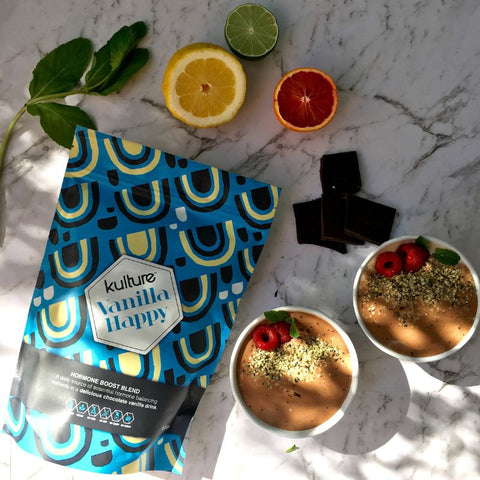
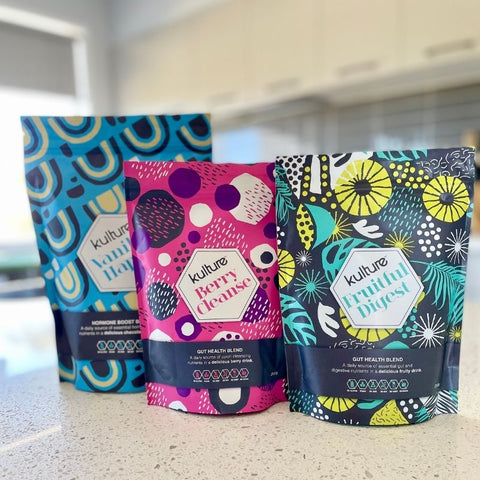
First step is to balance your hormones such as estrogen, progesterone and cortisol as these are more than likely the culprit. Latte Liberate and/or Vanilla Happy can help.
Taking sleep supplements may help and there are a range on the market as well as Kulture's Cocoa Siesta hot chocolate drink. This blend helps to calm and relax you before bedtime.
Pay attention to what you are eating at dinner or before bedtime. Most women going through perimenopause find that refined carbs will keep them up at night. If you need carbs at dinner time, switch to slow release carbs such as sweet potato, lentils or pumpkin.